
Pediatric Anesthesia in the Dental Office: Addressing Misinformation in the Media
Learn what patients in Los Angeles should know about dental sedation, safety standards, and how to choose the right sedation dentistry provider near you.
Misinformation about pediatric anesthesia in the dental office can create unnecessary fear for parents. Clear, accurate education helps families feel confident about their child’s care. In collaboration with the California Society of Pediatric Dentistry (CSPD), Dr. Kareena Kevork participates in the Misinformation in the Media series to address common concerns about anesthesia in the pediatric dental setting.
Understanding Nitrous Oxide in Pediatric Dentistry
Nitrous oxide is commonly used to help children feel calm during dental treatment.
It is used to:
Help reduce anxiety and fear
Allow children to remain relaxed during care
Wears off quickly after treatment
When administered appropriately, nitrous oxide is considered very safe for pediatric patients.
Why a Child’s Medical History Matters
Sharing a complete medical history is essential for anesthesia safety.
Parents should inform the dental team about:
Medical conditions
Medications and allergies
Past anesthesia experiences
This information allows the anesthesia plan to be carefully tailored for each child.
Is Anesthesia in the Dental Office Safe for Children?
Dental anesthesia is very safe when managed by a trained specialist.
Safety can be ensured by:
Tailored medication selection
Continuous monitoring of vital signs
Real-time adjustments during treatment
These measures help ensure a controlled and secure environment for pediatric patients.
Preparing for General Anesthesia
Preparation plays a key role in a smooth experience.
Parents can help by:
Following pre-operative fasting and medication instructions
Helping their child feel emotionally prepared
Asking questions ahead of the appointment
Clear preparation helps reduce stress for both children and parents.
What to Expect After General Anesthesia
Recovery after general anesthesia is usually straightforward.
Common, temporary effects may include:
Grogginess or fatigue
Mild emotional changes
Increased desire to rest
Parents receive clear aftercare instructions and guidance on when to reach out with concerns.
Accurate information empowers families to make thoughtful decisions about their child’s health. Through ongoing education and collaboration with organizations like the California Society of Pediatric Dentistry, we remain committed to promoting safe, evidence-based care in the pediatric dental setting. Together, we can ensure that facts—not fear—guide conversations about anesthesia.
IV Sedation vs. Oral Conscious Sedation: Which Is Right for You?
Choosing between IV sedation and oral conscious sedation can feel overwhelming, especially for patients with dental anxiety. This guide explains how each option works, what to expect, and how Dr. Kareena Kevork helps patients choose the safest, most comfortable approach for their dental care.
For many patients, the hardest part of dental treatment isn’t the procedure itself, it’s the anxiety leading up to it. Sedation can make all the difference, but one of the most common questions is: Should I choose IV sedation or oral conscious sedation? Both are safe and effective, but they work in different ways.
What Is Oral Conscious Sedation?
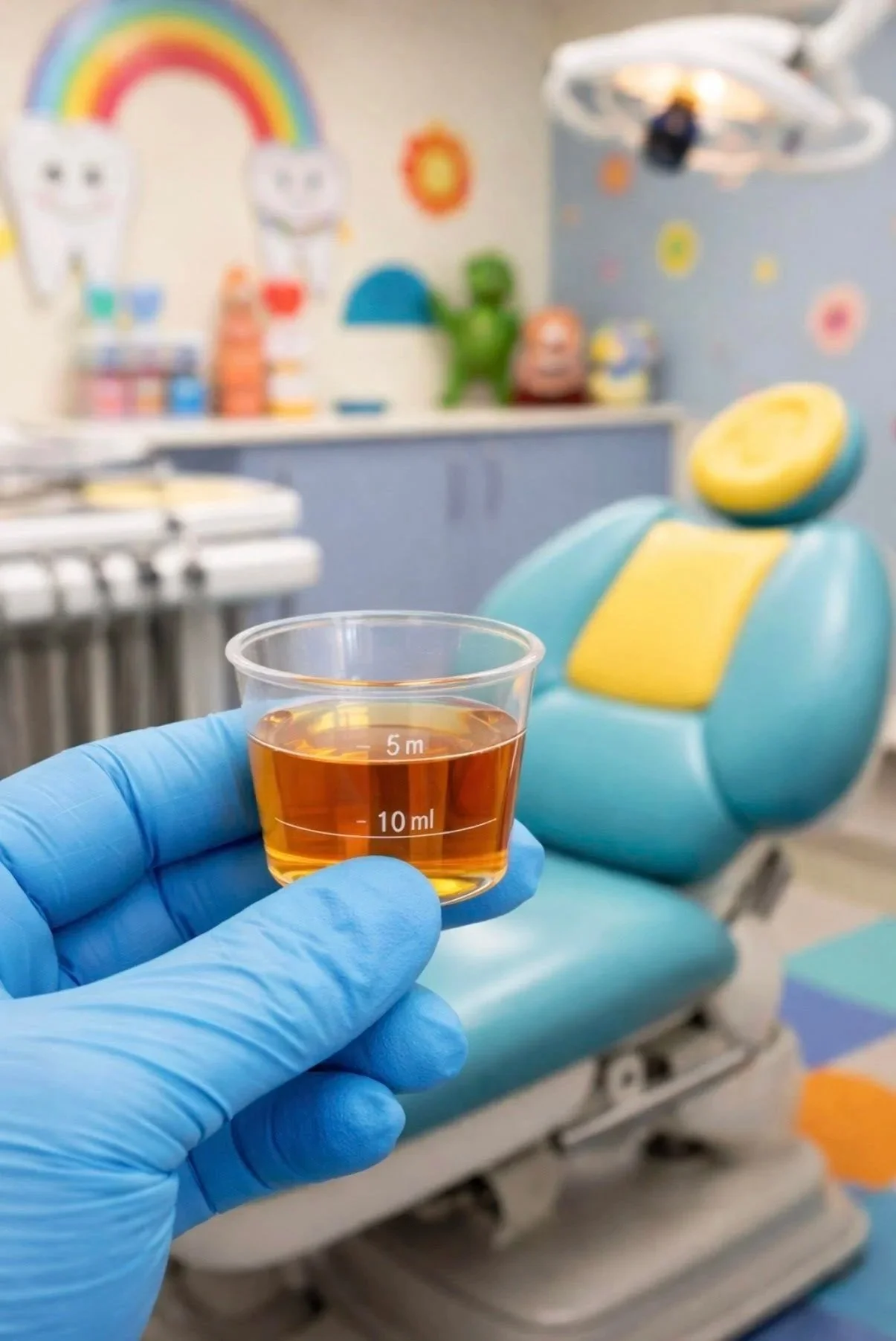
Oral sedation involves taking a pill before the appointment. For our younger patients, it might be medication in a liquid format that they will drink in the office. It helps patients feel calm and relaxed, but they remain awake. Some remember parts of the procedure, while others recall very little. Most describe feeling drowsy yet comfortable. Because the medication can linger, patients need someone to drive them home and stay with them, and grogginess may last for the rest of the day. Oral sedation is often a good choice for patients with mild to moderate anxiety or for shorter, less complex procedures.
How IV Sedation Works
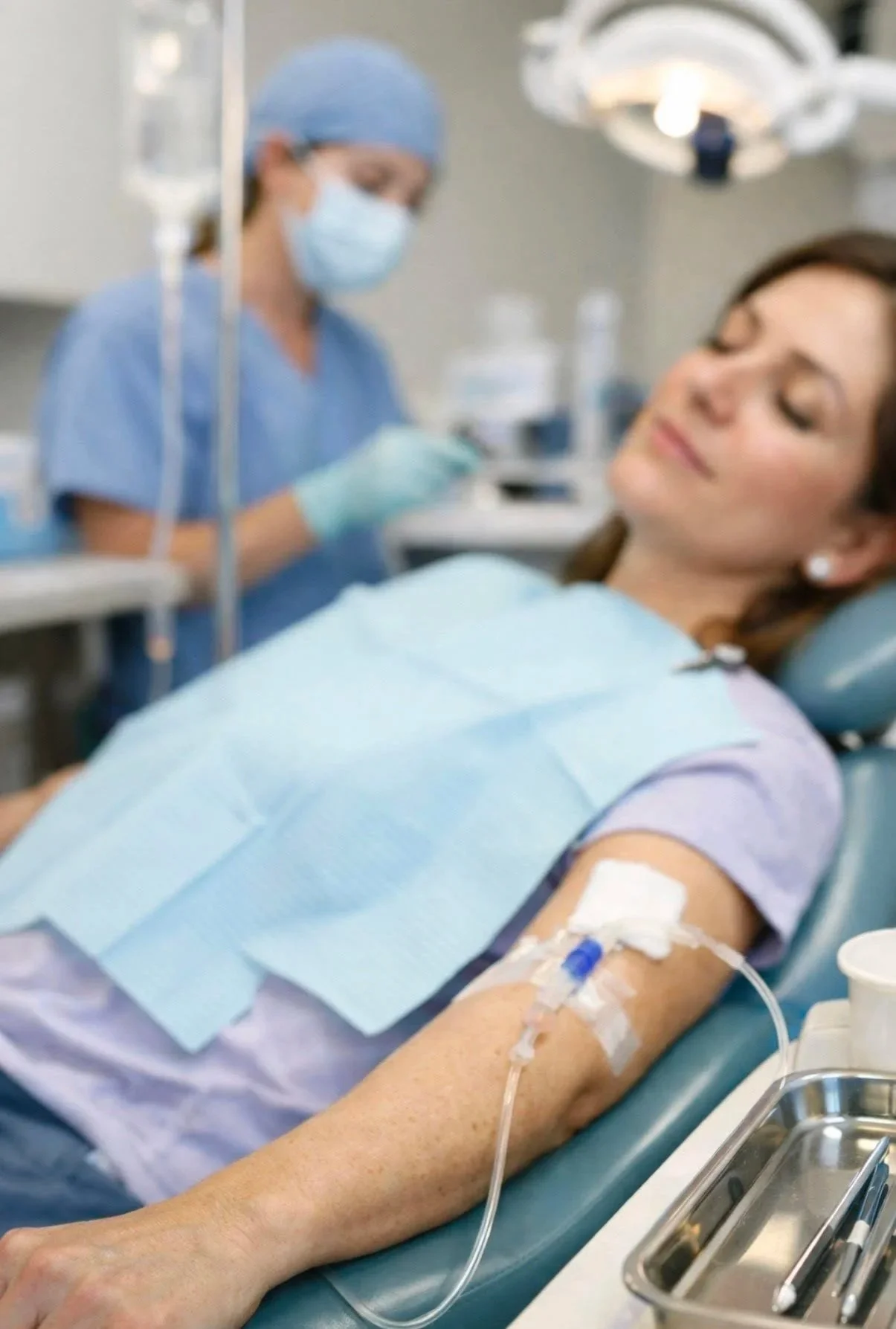
IV sedation, by contrast, is given through a small needle in the arm or hand. It works within minutes and allows Dr. Kevork to adjust the depth of sedation throughout the procedure. Many patients feel as if they’re asleep the whole time, even though they remain technically conscious. Most have little or no memory afterward. Patients are monitored continuously, and like with oral sedation, a ride home and rest afterward are required. IV sedation is often recommended for patients with significant anxiety, longer appointments, or complex dental work.
Choosing the Right Sedation Option
Patients don’t have to make this decision alone. During each consultation, Dr. Kevork reviews health history, procedure details, and comfort levels to help determine the safest and most effective option. Her role is to ensure patients are both comfortable and safe at every step.
Sedation for dental work isn’t just for complicated procedures; it’s for anyone seeking a calmer, easier dental experience. For those unsure which option is right, Dr. Kevork and her team provide guidance so patients can feel safe, prepared, and completely at ease before their visit. To schedule a consultation, email us at: admin@westcoastsedation.com