
Dr. Kareena Kevork Featured by AGBU: A Shared Mission of Service and Leadership
Dr. Kareena Kevork and her husband, Michael Amirkhanian, are featured in AGBU Impact Magazine's "A Shared Mission," highlighting their commitment to community service, mentorship, philanthropy, and empowering others through leadership.
Dr. Kareena Kevork is honored to be featured alongside her husband, Michael Amirkhanian, in the Armenian General Benevolent Union (AGBU) Impact Magazine article, "A Shared Mission." The feature highlights their shared commitment to community service, mentorship, philanthropy, and creating opportunities that empower others both professionally and personally.
A Shared Commitment to Giving Back
The article explores how Dr. Kevork and Michael have built careers centered not only on professional excellence, but also on making a meaningful impact in their communities.
As a board-certified dentist anesthesiologist, Dr. Kevork is dedicated to providing safe, compassionate anesthesia care while helping patients overcome dental anxiety and access the treatment they need. Beyond dentistry, she is passionate about mentorship and supporting initiatives that create lasting opportunities for others.
Supporting Women's Empowerment
One of the highlights of the feature is the couple's support of AGBU's EmpowerHer initiative, which helps women throughout Armenia develop professional skills, launch businesses, and achieve greater financial independence.
Drawing from her own journey of building a successful dental anesthesia practice, Dr. Kevork shares the importance of mentorship, education, and investing in future generations.
Leadership Through Service
Throughout the article, Dr. Kevork and Michael emphasize a philosophy of giving back and using their experience to help others grow. Their story reflects the belief that success becomes even more meaningful when it creates opportunities for others to succeed as well.

Dr. Kareena Kevork and her husband, Michael Amirkhanian, featured in AGBU Impact Magazine's A Shared Mission, highlighting their shared commitment to leadership, philanthropy, and community service.
Read the Full AGBU Feature
The complete story, "A Shared Mission," was published by the Armenian General Benevolent Union (AGBU) in AGBU Impact Magazine.
👉 Read the full article here: A Shared Mission – AGBU Impact Magazine
Sedation in the Dental Office in Los Angeles: What Patients Should Know
Looking for sedation in the dental office in Los Angeles? Learn about safe sedation options, what to expect, and how to choose the right provider for a calm, comfortable dental experience.
For patients searching for sedation in the dental office in Los Angeles or “sedation dentistry near me,” understanding available options and safety standards is essential. Dental anxiety, sensitive gag reflexes, and complex procedures can make routine care feel overwhelming. Fortunately, safe and personalized sedation options are available throughout the Greater Los Angeles area.
Dr. Kareena Kevork, a board-certified dentist anesthesiologist based in Los Angeles, provides specialized anesthesia and sedation services designed to help patients feel calm, comfortable, and safe during treatment.
What Is Sedation in the Dental Office?
It involves the use of carefully selected medications to help patients relax during dental procedures.
Sedation may be recommended for:
Dental anxiety or fear
Difficulty sitting still for long appointments
Strong gag reflex
Extensive or complex dental treatment
Pediatric patients requiring additional support
Sedation in the dental office is not only for major surgeries; it is often used to make routine or restorative care more manageable.
Types of Sedation Available in Los Angeles
Several sedation options are commonly used in the dental office, depending on the patient’s needs.
These may include:
Nitrous oxide for mild relaxation
Oral conscious sedation for moderate anxiety
IV sedation for deeper relaxation
General anesthesia for complex or extensive procedures
Each option is selected based on medical history, procedure type, and comfort level.
Is Sedation in the Dental Office Safe?
When administered by a qualified specialist, it is very safe.
Safety is supported through:
Thorough medical history review
Individualized medication planning
Continuous monitoring of vital signs
Real-time adjustments throughout the procedure
Choosing a trained dentist anesthesiologist ensures that patient safety remains the primary focus from start to finish.
How to Choose Sedation Dentistry Near You
When searching for “sedation dentistry near me,” patients should look for:
Board-certified anesthesia training
Clear pre-operative and recovery instructions
A practice that prioritizes communication and safety
Not all sedation providers have the same level of anesthesia training. Specialized expertise can make a significant difference in both comfort and safety outcomes.
Personalized Sedation Care in the Greater Los Angeles Area
Every sedation plan should be tailored to the individual patient. Dr. Kareena Kevork works closely with dentists and families throughout Los Angeles to provide safe, hospital-level anesthesia care in a private dental setting.
For patients who have delayed treatment due to anxiety or fear, sedation dentistry offers a practical and reassuring solution. With the right expertise, dental care can become calm, predictable, and manageable.
Pediatric Anesthesia in the Dental Office: Addressing Misinformation in the Media
Learn what patients in Los Angeles should know about dental sedation, safety standards, and how to choose the right sedation dentistry provider near you.
Misinformation about pediatric anesthesia in the dental office can create unnecessary fear for parents. Clear, accurate education helps families feel confident about their child’s care. In collaboration with the California Society of Pediatric Dentistry (CSPD), Dr. Kareena Kevork participates in the Misinformation in the Media series to address common concerns about anesthesia in the pediatric dental setting.
Understanding Nitrous Oxide in Pediatric Dentistry
Nitrous oxide is commonly used to help children feel calm during dental treatment.
It is used to:
Help reduce anxiety and fear
Allow children to remain relaxed during care
Wears off quickly after treatment
When administered appropriately, nitrous oxide is considered very safe for pediatric patients.
Why a Child’s Medical History Matters
Sharing a complete medical history is essential for anesthesia safety.
Parents should inform the dental team about:
Medical conditions
Medications and allergies
Past anesthesia experiences
This information allows the anesthesia plan to be carefully tailored for each child.
Is Anesthesia in the Dental Office Safe for Children?
Dental anesthesia is very safe when managed by a trained specialist.
Safety can be ensured by:
Tailored medication selection
Continuous monitoring of vital signs
Real-time adjustments during treatment
These measures help ensure a controlled and secure environment for pediatric patients.
Preparing for General Anesthesia
Preparation plays a key role in a smooth experience.
Parents can help by:
Following pre-operative fasting and medication instructions
Helping their child feel emotionally prepared
Asking questions ahead of the appointment
Clear preparation helps reduce stress for both children and parents.
What to Expect After General Anesthesia
Recovery after general anesthesia is usually straightforward.
Common, temporary effects may include:
Grogginess or fatigue
Mild emotional changes
Increased desire to rest
Parents receive clear aftercare instructions and guidance on when to reach out with concerns.
Accurate information empowers families to make thoughtful decisions about their child’s health. Through ongoing education and collaboration with organizations like the California Society of Pediatric Dentistry, we remain committed to promoting safe, evidence-based care in the pediatric dental setting. Together, we can ensure that facts—not fear—guide conversations about anesthesia.
IV Sedation vs. Oral Conscious Sedation: Which Is Right for You?
Choosing between IV sedation and oral conscious sedation can feel overwhelming, especially for patients with dental anxiety. This guide explains how each option works, what to expect, and how Dr. Kareena Kevork helps patients choose the safest, most comfortable approach for their dental care.
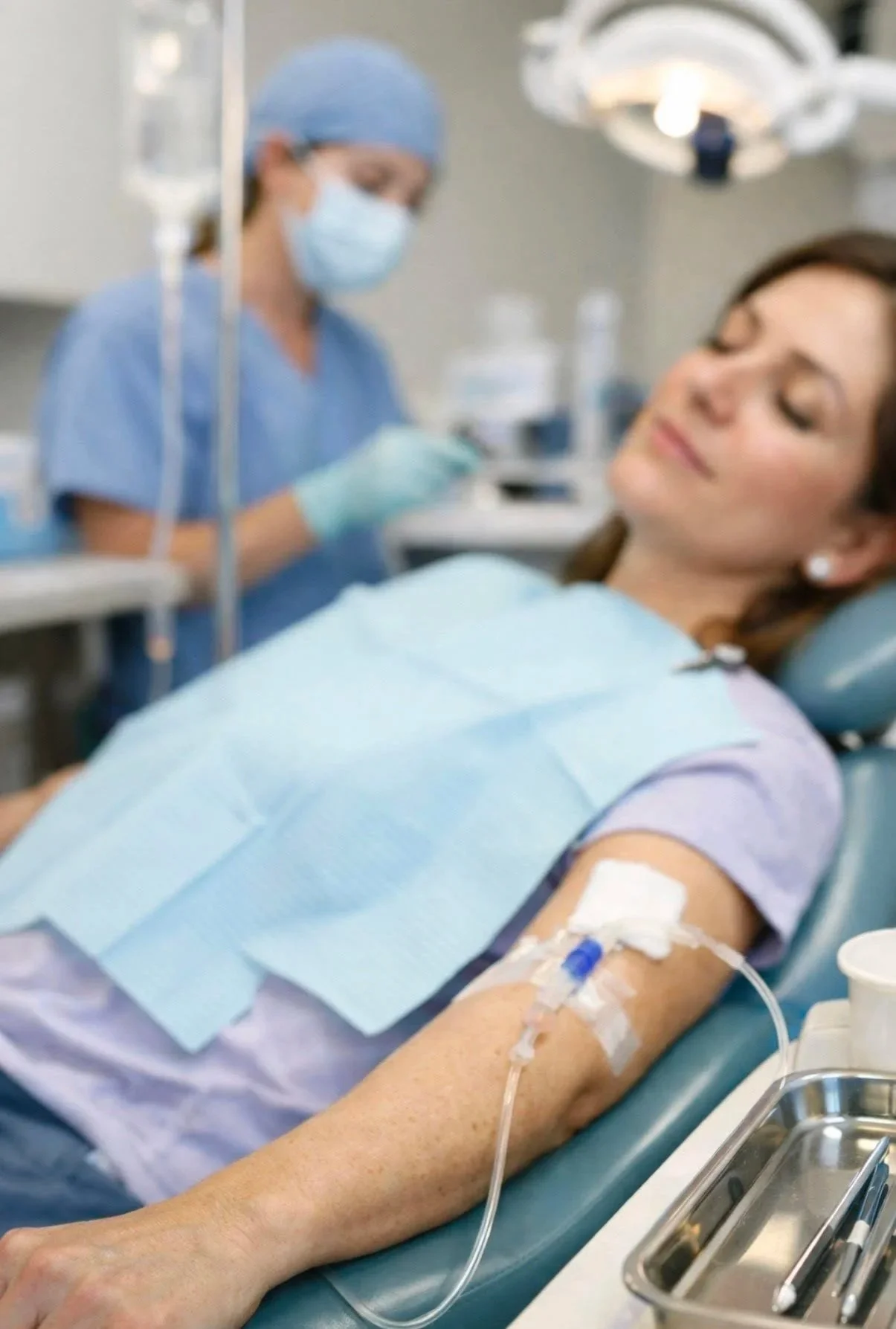
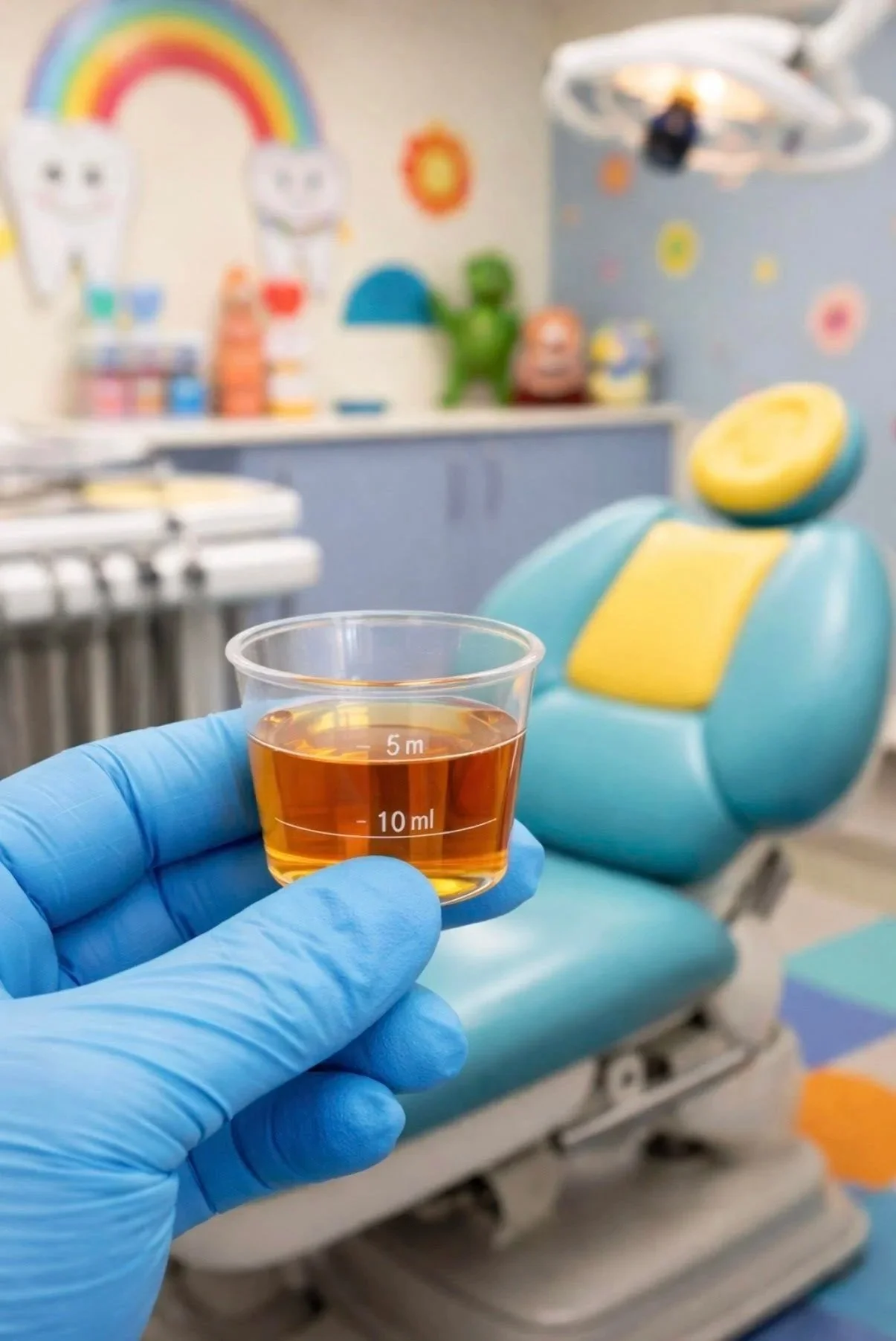
For many patients, the hardest part of dental treatment isn’t the procedure itself, it’s the anxiety leading up to it. Sedation can make all the difference, but one of the most common questions is: Should I choose IV sedation or oral conscious sedation? Both are safe and effective, but they work in different ways.
What Is Oral Conscious Sedation?
Oral sedation involves taking a pill before the appointment. For our younger patients, it might be medication in a liquid format that they will drink in the office. It helps patients feel calm and relaxed, but they remain awake. Some remember parts of the procedure, while others recall very little. Most describe feeling drowsy yet comfortable. Because the medication can linger, patients need someone to drive them home and stay with them, and grogginess may last for the rest of the day. Oral sedation is often a good choice for patients with mild to moderate anxiety or for shorter, less complex procedures.
How IV Sedation Works
IV sedation, by contrast, is given through a small needle in the arm or hand. It works within minutes and allows Dr. Kevork to adjust the depth of sedation throughout the procedure. Many patients feel as if they’re asleep the whole time, even though they remain technically conscious. Most have little or no memory afterward. Patients are monitored continuously, and like with oral sedation, a ride home and rest afterward are required. IV sedation is often recommended for patients with significant anxiety, longer appointments, or complex dental work.
Choosing the Right Sedation Option
Patients don’t have to make this decision alone. During each consultation, Dr. Kevork reviews health history, procedure details, and comfort levels to help determine the safest and most effective option. Her role is to ensure patients are both comfortable and safe at every step.
Sedation for dental work isn’t just for complicated procedures; it’s for anyone seeking a calmer, easier dental experience. For those unsure which option is right, Dr. Kevork and her team provide guidance so patients can feel safe, prepared, and completely at ease before their visit. To schedule a consultation, email us at: admin@westcoastsedation.com
A Quick Hello!

Hi everyone! I’m Dr. Kareena Kevork — your board-certified dentist anesthesiologist 🦷💉🫁👩🏻⚕️
I’m based in Los Angeles, CA and started my journey at UCLA’s School of Dentistry (go Bruins!). After dental school, I moved across the country for my specialty anesthesia training at NYU Langone Hospital- a Level 1 Trauma Center in Brooklyn, NY.
Now, I’m passionate about helping patients achieve optimal oral health by providing safe, compassionate anesthesia care. I work with amazing dentists to bring hospital-level anesthesia directly into the dental office — because everyone deserves stress-free visits and pain-free smiles.
Whether you’re a child, have special healthcare needs, or experience dental anxiety (you’re not alone!), I’m here to make your experience comfortable and fear-free.
I’m excited to share more about what I do, answer your questions, and even bust a few anesthesia myths along the way. 🕵🏻♀️
📍 LA-Based | In-office Anesthesia
🦷 Pediatric • Special Healthcare Needs • Anxious Patients
💬 Let’s connect! Drop a comment or DM anytime!
#DentistAnesthesiologist #UCLADentist #NYULangone #LAHealthcare #DentalAnxietyHelp #SpecialNeedsDentistry #AnesthesiaCare #sedationdentistry